A demurrage invoice is rarely a surprise to the terminal. It is almost always a surprise to the importer, and it usually turns up weeks after a container sat somewhere it should not have sat — a quay, a yard, a depot, the back of a truck. The rules behind that invoice are not complicated, but they are unforgiving about timing. Knowing when the clocks start, when they stop, and who is holding the stopwatch is the difference between a clean arrival and a four-figure argument.
Two clocks, two different places
The two words get used interchangeably in conversation. On the invoice they mean different things, and they run in different locations.
Demurrage is charged when a container overstays inside the terminal. The ship discharges it, it lands in the stack, and your free time starts ticking. If the box is still sitting there when that time runs out, the terminal charges for the space it is occupying. This is a charge for the quay, not for the steel box.
Detention is charged when the container has left the terminal and has not come back within its free period. You picked it up, you emptied it, and the carrier is waiting for its equipment. The meter runs on the container itself, usually from gate-out until the empty is returned to the depot the carrier nominates.
A useful shorthand: demurrage is the terminal wanting its space back, detention is the carrier wanting its box back. A single shipment can generate both, and often does.
How the demurrage clock actually starts
Most tariffs start demurrage free time when the container is discharged from the vessel and made available — which is not the same moment as "when someone tells you". A vessel that berths and works through Friday night can start your clock before your forwarder has opened the arrival notice on Monday morning. Every day of that weekend is yours to lose.
The clock does not pause for customs. If your entry is held because an invoice is missing a value, or because the goods need a permit you did not know about, the container is still in the terminal and the terminal is still charging. This is the single most common way first-time importers get caught: they assume the meter waits for paperwork.
Where the clock usually stops
Demurrage free time normally ends when the container leaves the terminal gate, or when it is devanned inside the port in an LCL arrangement. Some terminals stop the clock at the moment the truck is booked in rather than when it exits. That difference of an hour or two matters at the end of a free period, so read the tariff rather than assuming.
The detention clock and the return leg
Detention typically begins at gate-out and ends when the empty is back in the carrier's hands, at the right depot, in acceptable condition, with the paperwork complete. The pickup is the easy part. The return is where the money goes.
Three reasons a return gets rejected
- Wrong depot. Carriers nominate specific yards, and a container dropped at a competitor's facility is not returned at all as far as the clock is concerned.
- Condition. Cargo residue, loose dunnage, a bent door bar or a hole in the panel can mean the box is refused or held for repair — and repair time is rarely free.
- Timing. Many depots keep weekday hours and close early on Saturdays. A Friday afternoon gate-out with a Monday-only depot is a weekend of detention you planned for badly.
Detention free time is often quoted in calendar days, but some contracts count working days, and holidays may or may not be excluded. Ask which convention applies before you build a delivery schedule around it.
Free time is a contract term, not a fixed rule
There is no universal free period. It varies by carrier, by trade lane, by port, by commodity and by how much leverage your volume gives you. The number printed on a website is an example, not an entitlement.
Two things are worth asking for at the booking stage. First, a longer free period than the standard offer — importers with steady volumes often get it simply by asking, particularly on lanes where the carrier wants the return business. Second, merged or combined free time, where demurrage and detention are treated as one allowance rather than two separate clocks that each start fresh. If your warehouse is slow, a merged allowance is usually more useful than a bigger number on one side only.
Get the agreed terms into the booking confirmation or the service contract, not just into an email from a sales contact. When the invoice arrives, the person who issued it will be reading the tariff, not your inbox.
Nine habits that keep the meters off
- Track the vessel, not the ETA email. Check the actual arrival and berthing. A vessel that arrives two days early is a free period that starts two days early.
- Clear customs before arrival. Lodge the entry as soon as documents allow and ask your broker, in advance, what the file will need. Missing certificates are the most expensive kind of paperwork.
- Book the truck before the ship berths. Terminal appointment slots fill quickly, and a slot three days out is three days of demurrage.
- Write down the last free day. Put it in the calendar as a hard deadline with a reminder two working days before, and copy your forwarder and trucker onto it.
- Collect early in the day. Morning gate-outs leave room to fix a problem before the depot closes.
- Empty the box within 24 to 48 hours. Devanning is the step most within your control, so make it the priority it deserves to be.
- Confirm the depot before dispatch. Address, opening hours, whether they accept that carrier's empties, and whether a booking reference or PIN is required.
- Photograph everything. Container number, condition on pickup, condition when emptied, and the gate receipt. Damage disputes are won with timestamps.
- Ask early if something has gone wrong. A documented, polite request for a waiver or an extension — sent while the container is still stuck, not after the invoice — is more likely to be considered than a complaint six weeks later. There is no obligation on the carrier to grant it.
When the invoice lands anyway
Ask for the calculation, not just the total: the free period applied, the date and time the clock started, the date and time it stopped, and the tariff rate used. Errors are not rare, particularly where a vessel was delayed after discharge or where a return was accepted at a different depot from the one originally nominated. If the dates are wrong, say so with evidence attached. If they are right, pay promptly and fix the process that produced them.
For anything involving a dispute over contract terms, a large claim or a carrier that will not engage, take advice from your freight forwarder or a maritime lawyer familiar with your jurisdiction. The rules of the tariff and the terms of the bill of lading are what will decide it.
The habit worth building
Keep a single-page sheet for every container: vessel arrival, discharge date, free time on each side, last free day for collection, last free day for return, nominated depot and its hours, truck booking reference, and the name of the person responsible for each step. Fill it in when the booking is confirmed, not when the container arrives. Importers who do this rarely argue about demurrage, because they can see the deadline coming a week before it costs them anything.
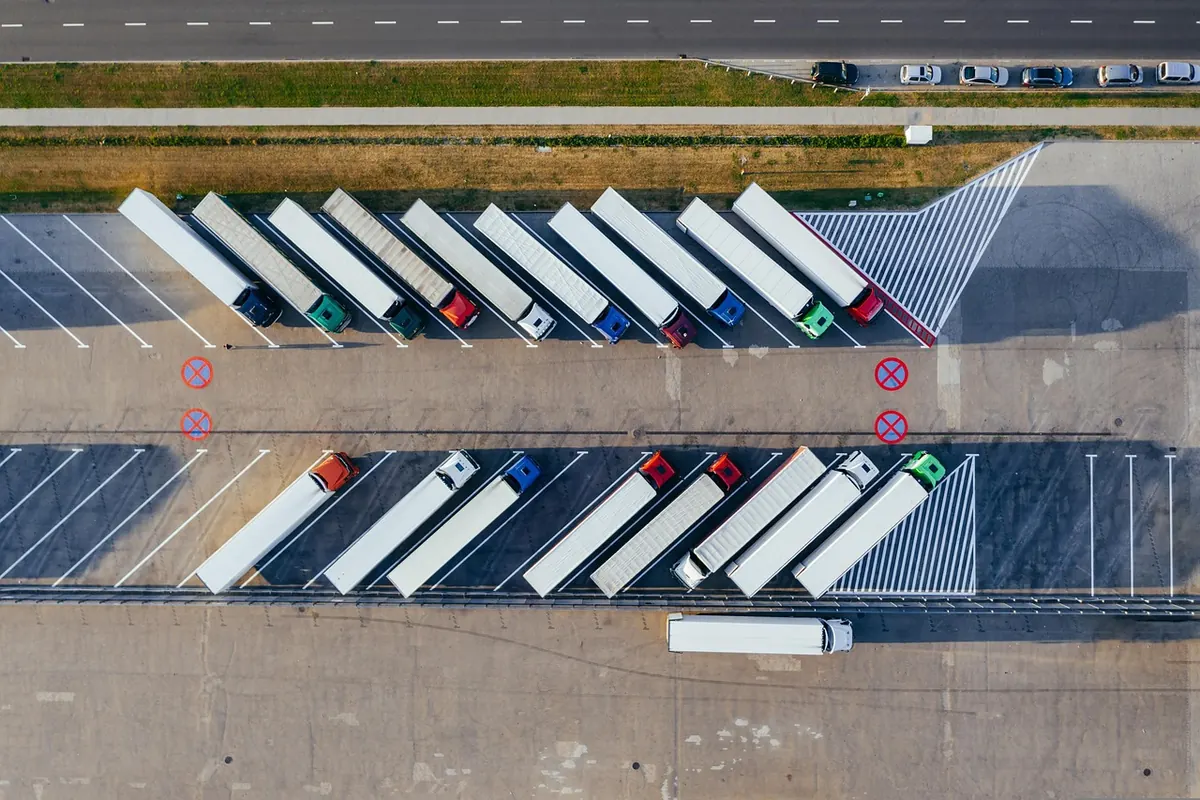
Photo: distelAPPArath / Pixabay