Your first import shipment is where the jargon stops being theoretical. The supplier is ready to load, the forwarder wants to know whether you are booking FCL or LCL, and you have a rough idea of what the goods are worth and when you need them. That single choice shapes your invoice, your calendar and how much of the cargo arrives in sellable condition. Neither option is better in the abstract. Each is better for a particular shipment, and the reasoning is more practical than most rate sheets suggest.
What you are actually buying
FCL means full container load: one box, booked for your cargo alone, sealed at origin and opened at destination. You pay for the container, not for the space you fill. A twenty-foot holds roughly 28 to 33 cubic metres in theory and rather less in practice once pallets and stacking limits are taken into account; a forty-foot high cube is closer to 65 cubic metres of usable space.
LCL means less than container load: your cartons share a container with cargo from other shippers. A consolidator collects several shipments at a warehouse near the port, stuffs them together, and separates them again at the destination. You pay for the volume and weight you occupy, and minimum charges make very small shipments cost more per cubic metre than the headline rate implies.
The short version: FCL rewards volume, LCL rewards smallness up to a point, and both punish surprises.
Cost structure: what the invoice is really measuring
FCL pricing is mostly fixed. Once the container is booked, adding another twenty cartons costs you almost nothing extra, because the ocean freight, terminal handling, documentation and destination charges are charged per container regardless of how full it is. That is why a half-empty box feels wasteful: you are already paying for the whole thing.
LCL pricing is mostly variable on paper and fixed in practice. The freight is quoted per cubic metre or per tonne, whichever is greater, with the industry convention of one cubic metre equating to 1,000 kilograms. But stacked on top sit per-shipment charges that do not shrink with your volume:
- Origin warehouse handling, often called CFS charges, for receiving and stuffing your cargo.
- Documentation, bill of lading and manifest fees, charged once per shipment.
- Destination CFS and terminal handling for stripping and releasing the cargo.
- Consolidation and de-consolidation fees that appear on some routes and not others.
- Possible minimum chargeable volume, commonly one cubic metre.
Two shipments of five cubic metres each can therefore cost noticeably more than one shipment of ten, because you pay the fixed fees twice. When you request quotes, ask the forwarder for the all-in figure at your actual volume and weight, including destination charges, customs clearance and delivery. Ocean freight alone is a misleading number in both modes.
Transit time and the waiting game
FCL is the faster option, and not because the ships sail faster. The container is loaded at origin, sealed, and moves as one unit. LCL cargo has to arrive at a consolidation warehouse by a cut-off, wait for enough compatible cargo to fill a container, get stuffed, sail, then wait again at destination for stripping and release. Each of those steps adds days, and the departure date depends on other shippers meeting their deadlines.
For a booking made well in advance, the difference may be a week. During peak season, when consolidators are juggling volume and vessel space, it can stretch further. If you are shipping for a launch date, a trade show or a seasonal window, build the LCL buffer into your plan rather than assuming the transit time quoted for FCL applies.
Handling risk and cargo condition
Every time cargo is touched, something can go wrong. FCL keeps your touches to a minimum: one loading, one opening. LCL adds warehouse receiving, stuffing alongside other goods, stripping and sorting at destination. More handling means more chance of damage, and shared space means shared problems.
- Compatibility. Your cartons may travel beside bagged minerals, machinery parts or unsealed timber. Odours, dust and moisture migrate inside a container.
- Weight above. Heavy cargo stacked on your pallets is a real risk, and consolidation warehouses do not always respect your "do not stack" markings.
- Delay by association. If another shipper's documentation is incomplete, the whole container can be held.
- Pilferage and mixing. Small, high-value cartons are more exposed in a shared container than behind your own seal.
- Claims. Proving where damage happened is harder when several parties handled the goods and the container was opened more than once.
FCL is not risk-free either, particularly if you load in humid conditions without desiccants, but the chain of custody is short and the seal gives you a clear reference point.
Which one fits your volumes
Small and occasional shipments
For a sample order, a trial run or a few pallets of a new product line, LCL is usually the sensible start. You keep capital tied up in stock low and you learn the process without committing to a container. Accept the higher cost per cubic metre as the price of flexibility.
Growing volumes
Once your shipments become regular and you are consistently filling roughly half a twenty-foot container, start asking for FCL quotes alongside LCL ones. The fixed fees on the LCL side are already being paid every time, and the point where the container becomes cheaper often arrives sooner than importers expect. Watch for dense, heavy cargo too: at the one-cubic-metre-to-one-tonne convention, compact goods can be charged by weight rather than volume.
Cargo that should not share
High-value electronics, fragile items, foodstuffs, cosmetics, anything with strict temperature or hygiene requirements, and branded goods where tampering is a concern all argue for a dedicated container once the numbers allow it.
Mistakes first-time importers make
- Comparing an LCL per-cubic-metre rate with an FCL all-in rate, which is not a like-for-like comparison.
- Forgetting that LCL requires the cargo to be delivered to a warehouse before the port cut-off, not to the terminal.
- Under-declaring volume to save freight, then paying re-measurement charges at the consolidation warehouse.
- Booking LCL for a launch date without a buffer, then paying air freight to rescue the schedule.
- Shipping palletised cargo as LCL without checking whether the consolidator will keep pallets intact.
Before you book: a five-minute check
Measure your shipment honestly in cubic metres and kilograms, including pallets and packaging. Ask for both an LCL and an FCL all-in quote at that volume, with destination charges itemised. Note the cut-off dates for each and count backwards from the date you need the goods. Think about what the cargo is worth and how easily it can be replaced if a carton is crushed. Then decide, and write the reasoning down so the next shipment starts from experience rather than guesswork. If duties, insurance or compliance questions arise, confirm them with a licensed customs broker or freight forwarder before the cargo sails.
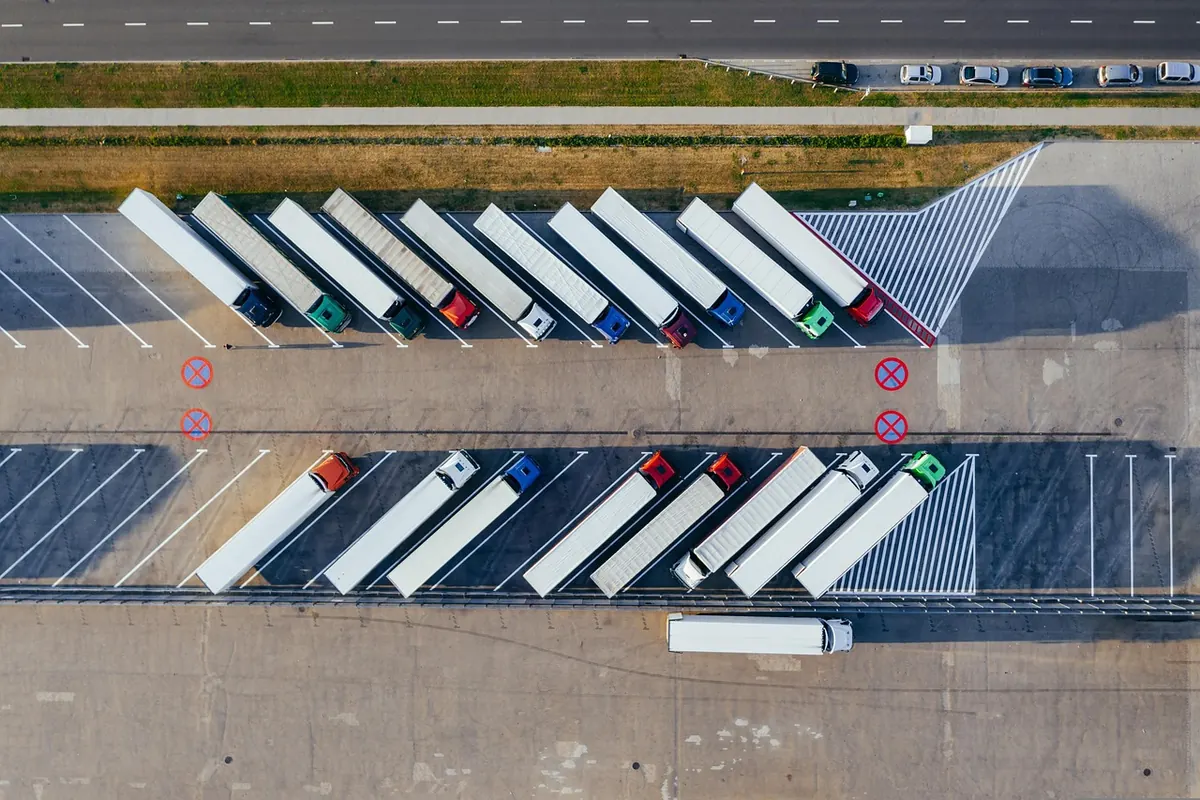
Photo: Jan van der Wolf / Pexels